
Reading path · 6 books
Start with Contemporary Fantasy
Six books from a gentle first read to a long, rewarding one.
A path for readers new to the genre. It begins with a short, emotional book, moves through hidden-world and mythic stories, and ends with a long historical fantasy that rewards patience.
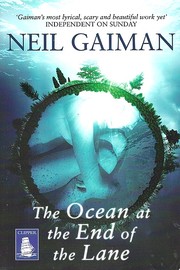
The Ocean at the End of the Lane
by Neil Gaiman · 2013
It is short and direct, so you can judge the genre's mood in a single sitting. The magic is felt more than explained.
Read this in one or two sittings if you can. Its pleasure is cumulative, and breaking it up weakens the effect. Notice how little the narrator explains and how much the book trusts the remembered feeling of being a child in a strange situation. Do not look for rules. If you are moved by the end, you have the temperament for the whole genre. If you find it too vague, the next step will offer more structure. It is also short enough to reread later, once the path has taught you what to look for.
Next: A taste for quiet strangeness set in the real world.
Neverwhere
by Neil Gaiman · 1996
A fast, accessible hidden-world story with a clear quest. It shows how contemporary fantasy turns a real city into a map of the impossible.
This is the structured counterpart to the first book. Pay attention to how the author turns real London place names into a map of the impossible, and how the quest gives the story a clear spine. You can read it faster than the first book, and it is fine to enjoy it as an adventure. The tone is lighter and more playful, so use it to see whether you prefer your strangeness wry rather than elegiac. Compare its London with the real one if you know the city; the game of recognition is part of the fun.
Next: More ambitious books built on hidden societies.
The Night Circus
by Erin Morgenstern · 2011
A lush, atmospheric standalone with a gentle romance. It trades plot speed for imagery and mood.
Slow down for this one. The plot is quieter than the premise suggests, and the book rewards you for noticing images, rooms and small rituals. Treat each chapter as a scene in a gallery, not a step in a chase. The structure moves between times, so a pencil note of years can help early on. If you find yourself wanting more speed, that is useful information to take to the next step. It pairs well with a slow evening and a warm drink, which suits its dreamy pace.
Next: Stories where the structure itself is part of the pleasure.
The Invisible Life of Addie LaRue
by V. E. Schwab · 2020
A more commercial, plot-forward book that moves across centuries. It adds a strong central premise to the atmospheric style you have met so far.
After two atmospheric books, this one offers a firm premise and a steadier engine. Read it for how a single strong idea can organize a long novel, and for how it moves between centuries without losing the reader. It is longer than the earlier books, so allow several evenings. Notice the balance between mood and plot, and compare it with how the circus book handled the same balance. Its long timeline makes it a good bridge to the historical ambition of the final steps.
Next: Longer books that use myth and history.
American Gods
by Neil Gaiman · 2001
A road-trip novel about old and new gods that is larger in scope and slower in places. It asks more of you but offers a wider view of what the genre can do.
This is the first long book on the path, and it is a road novel, so expect detours. Do not read it as a quest with a countdown. Enjoy the side stories, which carry much of the meaning, and let the central thread arrive when it will. It helps to have a little patience in the first third. If it feels sprawling, remember that the sprawl is part of the design. If you need a break midway, take one; the book holds up well to being read in pieces.
Next: Dense, scholarly fantasy.
Jonathan Strange & Mr Norrell
by Susanna Clarke · 2004
A long, wry alternate history of English magic. It is the most demanding book on this path, and the most rewarding for readers who enjoy period voice.
Save this for a time when you can read steadily. It is long, wry and written in the manner of a nineteenth-century novel, with footnotes that carry real invention. The early chapters are slow by design, and the humor depends on tone. Read the footnotes, since they are part of the story. If it works for you, you are ready for almost any book on the contemporary list, and for the longer epics beyond it. When you finish, you have completed a genuine marathon, and every other book on the list will feel more approachable.
Next: Your own direction: epic, literary or historical fantasy.


How this path is built
This path has one organizing idea: raise the demand a little with every book. The first title can be finished in a single evening. The last needs a long weekend and a tolerance for footnotes. Between them the books alternate between pleasure that arrives fast and pleasure that arrives slowly, so you learn what you enjoy about the genre before the harder books ask for patience.
We also vary the kind of strangeness. You meet a childhood memory, a hidden city, a circus, an immortal woman, a road trip with old gods and an alternate history of English magic. If one of those does not appeal, skip it and move on; the path is a ladder, but nothing breaks if you miss a rung. The only rule we would hold to is to avoid starting with the last book.
What you will learn about your taste
By the third book you should be able to answer three questions. Do you prefer wonder that is explained, such as a hidden city with a map of rules, or wonder that is left alone? Do you like a narrator with a personality, or a quiet observer? And do you want the story to resolve a mystery, or an emotion? Different answers point toward different neighbors.
If you loved the quest feel of Neverwhere, urban fantasy will suit you; follow the urban fantasy page. If you loved the stillness of The Ocean at the End of the Lane, look at magical realism. If you loved the imagery of The Night Circus, stay in the genre and explore the enclosed-wonder strand. The path is a sampler as much as a route.
Pacing the reading
There is no need to read these back to back. Many readers find that a gap of a week or two between books lets each one settle. Put a lighter book from outside the path in between if the mood shifts. The books near the end are larger and benefit from a clear stretch of time, so plan them for a holiday or a quiet month. If you listen to audiobooks, the early books work well in that form because their voices carry. The last title is trickier on audio, since its footnotes and long sentences reward the page. Our audio or print guide has more on matching format to book.
Where to go if a step doesn't work
If you stall on a book, do not force it. Try a replacement from the same genre with a similar weight. If American Gods feels slow, try Anansi Boys, which is lighter and funnier and shares its mythic ground. If the last book feels heavy, read Piranesi first, which is short and strange and trains the same attention. If the whole path feels too quiet, you may be an urban or epic fantasy reader at heart, and that is a useful discovery. The standalone path offers a slightly brisker progression through complete stories, and the character-driven path goes deeper into voice.
After the last book
Finishing this path leaves you in a good position to choose freely. You will know whether you prefer short or long, funny or melancholic, mythic or historical. You can then browse the genre page with a sharper eye, or follow a theme such as myth and folklore across authors. A reader who finished with delight might continue to The Starless Sea or Sorcerer to the Crown. A reader who finished tired might take a break and return with a short book. Either is a fine outcome; the point of a path is to give you orientation, not to be completed at any cost.
A suggested schedule
If you like a plan, here is one. Spend the first week on the two shortest books, reading each in a day or two. Spend the second and third weeks on the circus novel and the immortal-woman novel, one chapter a night. Give the road novel two weeks, since it is long and wandering. Leave the final book for a month with fewer demands, and read it in sessions of an hour or so.
That makes a little over two months, which is gentle enough to fit around a job. If you read faster, compress it. If you read slower, stretch it. What matters is the order, because the progression from short to long, and from direct to demanding, is what makes the path work. Keep a running note of one sentence per book on what you felt, and you will have a personal map by the end.
Common questions from new readers
Do I need to know folklore or mythology? No. The books on this path explain what they need, and the mythic ones, such as American Gods, reward curiosity but do not require preparation. Do I need to like fantasy already? Not necessarily; several of these appeal to readers of literary fiction. Is it fine to skip a book? Yes, though we suggest not skipping the first two. What if I dislike a book? Treat it as information. Note what you disliked, such as pace, tone or length, and use it to choose the next step. A reader who disliked the circus book for being slow should probably go straight to Anansi Boys, which moves faster, and then try the longer titles later.