

Cover image via Open Library, where available.
Contemporary FantasyMagical Realism
Piranesi
by Susanna Clarke · 2020
A gentle man keeps a journal inside a house of endless halls, statues and tides.
The narrator lives in an immense building of marble halls with its own weather, tides and clouds, and records what he observes in careful journals. He is content, curious and methodical, and he believes the House is the whole world. A second person who visits him regularly seems to know more than he says.
The book is told through journal entries in a clear, innocent voice, which gives the reader the pleasure of noticing more than the narrator does. It is a puzzle and a mood piece at once, with a plot that reveals itself in small adjustments of what the reader thinks is going on.
Where it sits in the genre
Appearing sixteen years after her debut, it won the Women's Prize for Fiction and found a wide audience outside genre readers. It draws on the tradition of imaginary architectures and on Borges-like libraries, but its warmth is distinctive. Where Jonathan Strange & Mr Norrell is vast and ironic, this book is small, sincere and focused on a single consciousness.
Voice and structure
The entire novel is told through the narrator's journals, and the voice is the main attraction. He is precise, grateful and curious, and he records the House's tides and statues with the care of a naturalist. The sentences are plain, and the humor is gentle. Because he trusts everything he sees, the reader is invited to notice what he does not.
The book is short and very controlled. Entries are dated by an unusual calendar of the narrator's own, and a number of them are indexed or cross-referenced in his notes. Information arrives in small steps, usually when he reads an older entry or a second person brings something into the Halls. Nothing in the structure is wasted, so even a quiet scene about arranging offerings feels like part of a design.
Setting and magic
The House is a single vast space: rooms upon rooms of marble halls, filled with statues, with tides that flood the lowest levels and clouds that gather in the upper ones. It has no outside as far as the narrator knows. Clarke describes it so exactly that it is easy to map in the mind, and part of the fun is realizing how much of it you could draw from his notes.
The magic is not spells but the place itself, and a form of knowledge tied to it. The narrator needs to understand the House to survive in it, and the cost of that understanding is something he has already paid before the book begins. The word for the price is memory. Revealing more would spoil the first act's quiet mystery, so it is enough to say that the setting takes as much as it gives.
Themes in practice
The book treats attention as a moral act. The narrator looks after the dead, feeds himself from the sea and thanks the House for its gifts, and his habits show a kind of grace that other characters lack. Many scenes work by contrast, as when someone speaks to him with impatience and he answers with calm.
It is also a book about how a mind pieces together a self from fragments. The questions of who he was and how he came here are handled through small discoveries, not speeches, and the answers change how earlier scenes read. That is the pleasure of a second visit.
How it compares and who it suits
Where Jonathan Strange & Mr Norrell is huge, social and ironic, Piranesi is small, solitary and sincere, so it is the easier entry to Clarke. If you like its library-like architecture and love of stories, The Starless Sea offers a similar hidden place, though with a looser structure. The Ocean at the End of the Lane is another short, unexplained fantasy built around a narrow point of view.
Piranesi suits readers who like puzzles, quiet wonder and minimal cast, and it is a good pick for people who usually avoid fantasy. It is not action-driven, and readers who need a lot of dialogue or a dramatic plot may find the first third static. It is a book to read in a few focused sessions.
Reading it blind, and why
Piranesi is a book where the less you know, the better the first read. Its opening pages set a puzzle, and the pleasure is in noticing what the narrator misses. Reviews and summaries tend to give away too much, so avoid them if you can.
If you are unsure whether to commit, read the first chapter in a bookshop or sample. The voice is the test. If you are charmed by the narrator's careful, grateful way of describing a strange place, you are likely to enjoy the rest. If it feels flat, no later twist changes the tone.
The name and the images behind it
The title borrows from an eighteenth-century Italian engraver known for etchings of vast imaginary prisons, full of staircases, arches and impossible depth. The book's setting echoes that look: immense halls, endless statues and architecture that seems to have no builder.
You do not need to know the art to follow the novel, but a quick look at those images before or after reading adds texture. It also helps explain why the House feels at once beautiful and slightly threatening. The same visual language gives the book much of its dreamlike force.
A narrator who is happy
Most stories of confinement are bleak. This one has a narrator who is contented, curious and kind, and that choice changes the whole reading experience. His joy makes the reader worry for him, because we sense that what he calls normal may not be.
Clarke uses this to explore attention as a form of love. He names the statues, notices the tides and gives thanks for his food. Compare this with the more fragmented viewpoint of The Starless Sea, where the lead searches for meaning in a book, and you see two very different kinds of seeker.
The mystery, in general terms
The book has a mystery at its core, but it is not a detective plot. Instead of clues pointing to a culprit, you get small contradictions between what the narrator writes and what the reader infers. Entries that seem innocent turn out to be evidence.
If you like this style, The Library at Mount Char also builds a story around an enclosed knowledge-keeping world, but with far more violence and far less calm. Piranesi sits at the gentle end of that range. It rewards close reading without demanding any special knowledge.
Short books and slow reading
Because it is short, many people read Piranesi in one or two sittings. That works, but the book also rewards a slower pace. The prose is clear, and the imagery is dense enough to linger over.
Think of it as a book to read with full attention. It is not light reading, even though it is not hard reading. The Ocean at the End of the Lane is a good companion for a weekend, since both are brief and both leave a lasting mood.
Who might not enjoy it
Readers who want sustained tension or a lot of dialogue may find the first third quiet. There are only a few characters, and the world is deliberately limited. A reader who loves sprawling worldbuilding, as in Jonathan Strange & Mr Norrell, may feel it is too narrow.
The ending is also quieter than the build-up suggests. It resolves the central mystery clearly but leaves a gentle, melancholic aftertaste. If you want a triumphant finish, adjust expectations before you start.
The calendar, the journals and the clues
The narrator dates his entries with a system of his own, named for events in the House, and he sometimes refers back to earlier entries by number. This can look like decoration, but it is how the book plants clues. Small changes in how he describes something, or a casual remark about a visitor's habits, matter later.
If you enjoy rereading for detail, keep an eye on the entries that seem most routine. Meals, tides and offerings are all recorded with care, and the care is the point. The book teaches you how to read it, which is one reason it feels so complete for its length.
A book that welcomes non-fantasy readers
Piranesi has been recommended widely to people who do not usually read fantasy, and the reasons are clear. There is no complex magic system, no map, no glossary and no long backstory to absorb. The strange setting is described in everyday language, and the central question is about a person rather than a world.
If you are looking for a single book to hand to a friend who says they do not like fantasy, this is a strong candidate. Another safe choice is The Ocean at the End of the Lane, which has a similarly low barrier. For a friend who likes historical novels, Circe is a very different but equally accessible option.
After Piranesi
- For a longer, funnier book by the same author, try Jonathan Strange & Mr Norrell.
- For another hidden world of stories, try The Starless Sea, though it is looser and more ornate.
- For a darker, more violent take on closed knowledge, try The Library at Mount Char.
- For quiet strangeness in a short form, try The Ocean at the End of the Lane.
Content and tone notes
The book is gentle in surface and unsettling underneath. There is no graphic violence, and the tone stays calm even when the situation is not. A few scenes deal with manipulation, isolation and the loss of a sense of self, and readers who find those subjects heavy should know that they sit near the center of the story.
The ending is quiet and humane, and it does not use cruelty for effect. It suits readers who want a thoughtful experience rather than a thrill. Anyone sensitive to stories about being cut off from the world should read the first chapters with that in mind, because the premise appears early.
Why it succeeded beyond the genre
Piranesi won the Women's Prize for Fiction, which is unusual for a fantasy novel, and it reached readers who had never read Clarke's earlier work. Its brevity, clarity and sincerity probably helped. It asks for attention, not stamina.
For genre readers, it is a useful reminder that fantasy can be small and exact. For general readers, it is a way in. If you enjoy it, the shelf on magical realism is a good place to explore next, since many of those books also treat the strange as natural and ask what it reveals about the people inside it.
How it reads
- Journal-entry narration with a trusting, observant voice
- A single enormous, self-contained setting
- Mystery built from small, precise details
- Quiet beauty and a sense of wonder
- A short length that suits its tight design
Read it if
- You like puzzle-box stories that reveal themselves gradually
- You want a short, beautiful book about loneliness and attention
- You enjoy imaginary places such as labyrinths and libraries
Maybe skip it if
- You want action or a large cast
- You dislike books that withhold explanations early on
Who it is for
Suits adult and mature teen readers who like quiet, literary fantasy. Contains some distressing themes, with little graphic content.
Reading notes
A standalone, and best read without checking summaries first because much of the experience is discovery.
Themes and tropes
Memory and LossIdentity and TransformationBooks and LibrariesUnreliable NarratorMystery Plot
If you like this, try
The Starless Sea
by Erin Morgenstern
Also set in a mysterious underground world of stories, though more ornate and plotted.
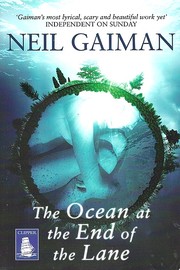
The Ocean at the End of the Lane
by Neil Gaiman
A comparably short, dreamlike book about memory and what lies behind ordinary life.
The Library at Mount Char
by Scott Hawkins
Also centers on an enclosed library and a mind shaped by it, though in a much more violent mode.


More by Susanna Clarke

Contemporary Fantasy · 2004
Jonathan Strange & Mr Norrell
by Susanna Clarke
English magic returns during the Napoleonic Wars, and it is far less polite than its practitioners.